

If you’ve ever tossed and turned at night wondering how to fall asleep quickly, you’re not alone. More than 1 in 3 adults struggle with falling asleep or staying asleep. The good news? Research shows there are simple, science-backed habits that can help you relax faster and drift into deep, restorative sleep.
Here are some actionable strategies on how to fall asleep quickly and wake up feeling refreshed.
1. Keep a Consistent Sleep Schedule
Why it works: Your body’s internal clock, or circadian rhythm, thrives on routine. Going to bed and waking up at the same time—even on weekends—teaches your body when it’s time for rest. Over time, this consistency helps you fall asleep faster and stay asleep longer.
Habit: Set a consistent bedtime and wake-up time.
2. Reduce Evening Blue Light
Why it works: Screens from phones, tablets, TVs and even the everyday light bulbs emit blue light, which delays melatonin production—the hormone that makes you sleepy. This causes a cascade of hormonal disruption, which in turn can lead to other health concerns like mood changes and weakened immune system. Reducing screen time in the evening allows your body to wind down naturally and send the correct signals to your body that it’s time for rest. For many of us, letting go of screens after dark is tricky, that’s where blue-light blockers come in.
Habit: Try high quality red lens blue-light blocking glasses which are made specifically for night time use. When I switched my cheap twenty dollar pair out and upgraded to quality red lens blue-light blockers before bed, it made all of the difference.


3. Try Relaxation Techniques
Why it works: Breathing exercises, meditation, or gentle yoga activate the parasympathetic nervous system, signaling your body it’s safe to rest. Mindfulness meditation improves sleep quality.
Habit: Even 5 minutes of meditation or deep breathing before bed can make a noticeable difference.
4. Optimize Your Bedroom Environment
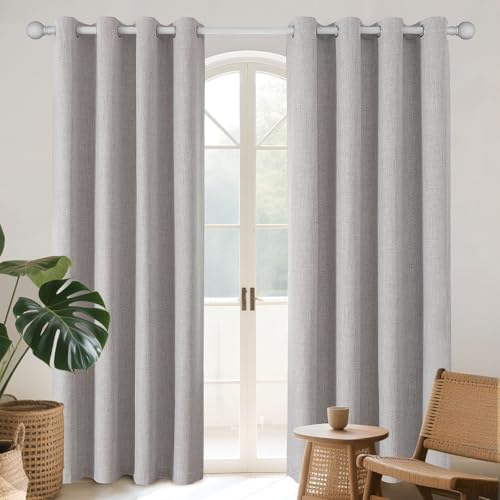
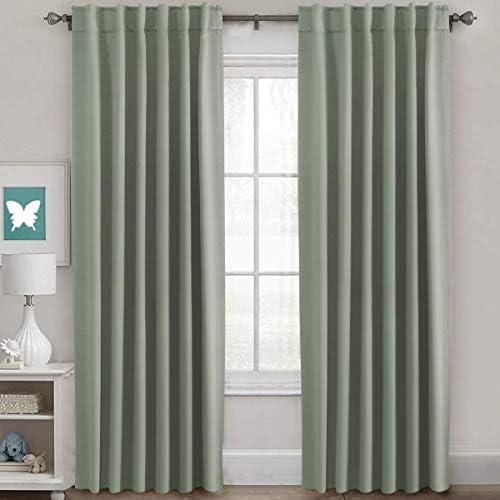
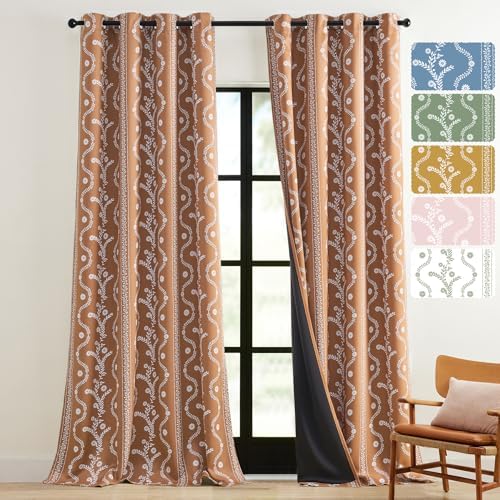
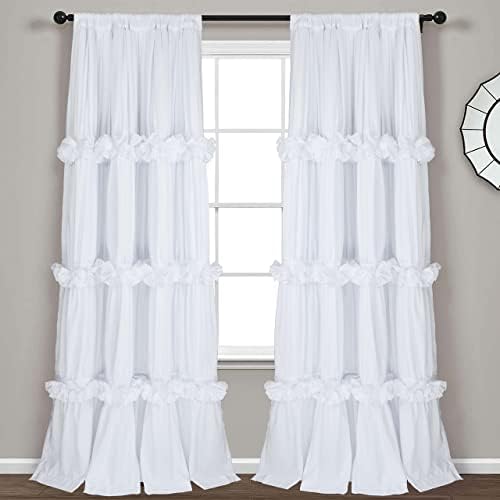
Why it works: The ideal sleep space is cool, dark, and quiet. Research suggests around 65°F (18°C) supports better sleep. Blackout curtains can make all the difference.
Habit: Consider black out curtains and a fan for your bedroom to regulate temperature through the night


5. Eat and Drink Smart Before Bed
Why it works: Heavy meals, caffeine, or alcohol close to bedtime can interfere with sleep. Herbal teas like chamomile or magnesium-rich snacks (almonds, bananas) can promote relaxation.
Habit: Cut off caffeine by early afternoon and enjoy a calming nighttime tea. Avoid large meals and alcohol close to bedtime.
6. Use the 4-7-8 Breathing Method
Why it works: This simple technique calms the nervous system:
- Inhale through your nose for 4 seconds
- Hold for 7 seconds
- Exhale slowly through your mouth for 8 seconds
- Repeat 4 cycles
Many people report falling asleep quickly using this method.
The Bottom Line
Learning how to fall asleep quickly isn’t about one miracle trick—it’s about creating a sleep-friendly routine and environment. Start with one or two of these tips, and soon your body will begin to recognize when it’s time to rest.
Sources
- CDC. Sleep Deprivation, Sleep Disorders, and Chronic Disease. 2023.
- Harvard Health Publishing. Blue Light Has a Dark Side. 2024.
- National Sleep Foundation. Sleep Tips. 2025.
- Black DS, et al. Mindfulness Meditation and Sleep Quality. JAMA Internal Medicine, 2015.
- Cleveland Clinic. 4-7-8 Breathing Exercise. 2022.
🌿 Disclaimer: This content is for informational and inspirational purposes only and is not intended as or a substitute for professional medical advice. Always consult a qualified healthcare professional before making changes to your diet, lifestyle, or health routine. This post contains affiliate links. If you make a purchase through these links, I may earn a small commission at no extra cost to you. Prices are accurate at the time of posting and may change.
Recommended For You

When Wall Art Speaks: The Emotional Language of Color
Bring Autumn Home: Stunning Centerpieces You Can Order Today

Create a Dreamy Bedroom Vanity You’ll Actually Love

The Most Charming Crock-Pots You Didn’t Know You Needed

Halloween Made Easy: Build the Cutest Boo Baskets Ever

Cozy Up: The Best Blankets and Throws for Fall 2025

How to Restart Your Life Today: 5 Simple Steps to Begin Again
Easy Anti-Inflammatory Breakfasts: Go To Morning Recipes